2025
Subject Under Observation
Sculpture
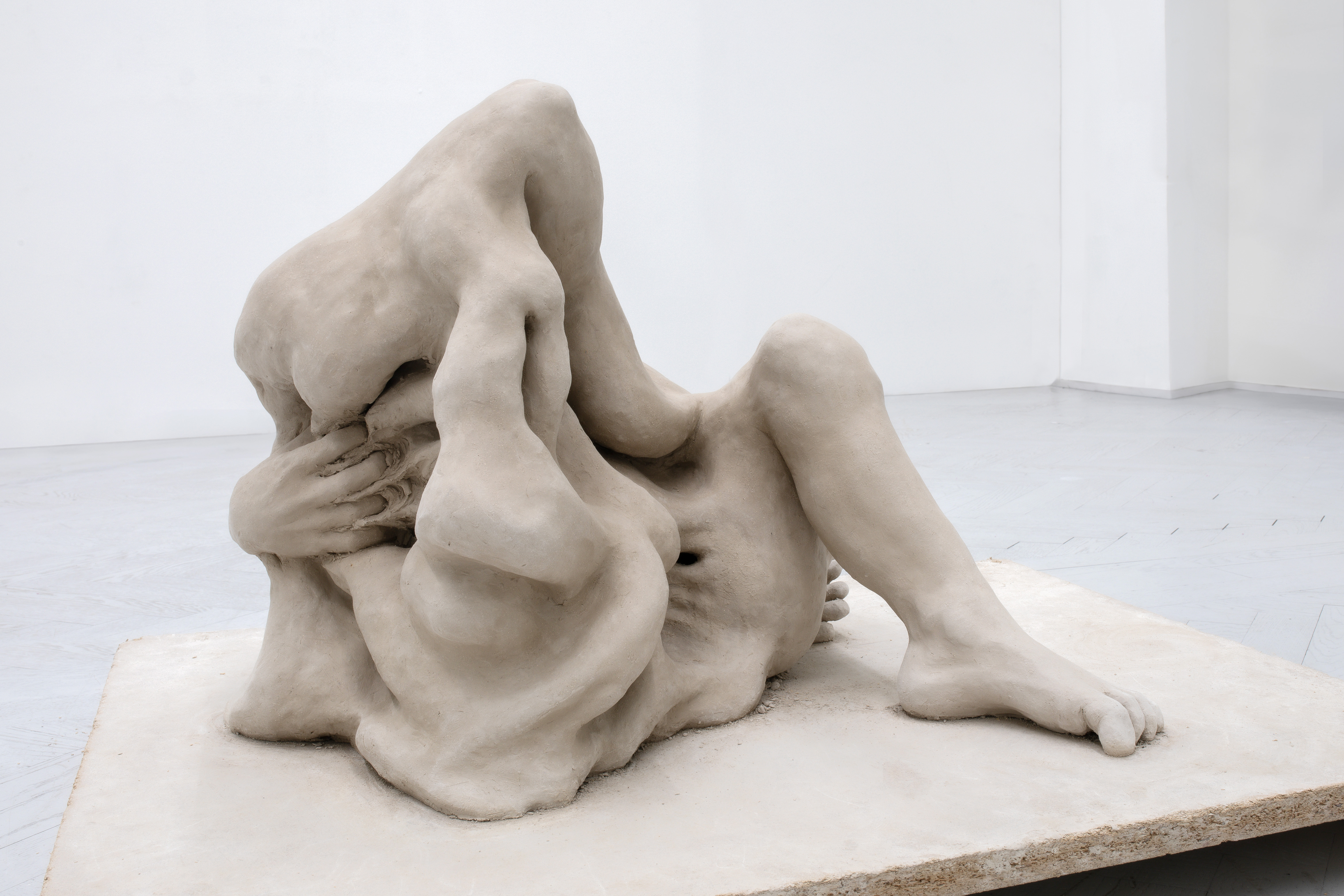
Title ‘Crouching (0.44), Covering torso(0.52) Sad(0.23), Nudity likelihood (0.61)
Year 2025
Material Clay, camera, pose estimation pipeline
Size 80 x 65 x 40 cm
Collaborator
Title Collaborator
Year 2025
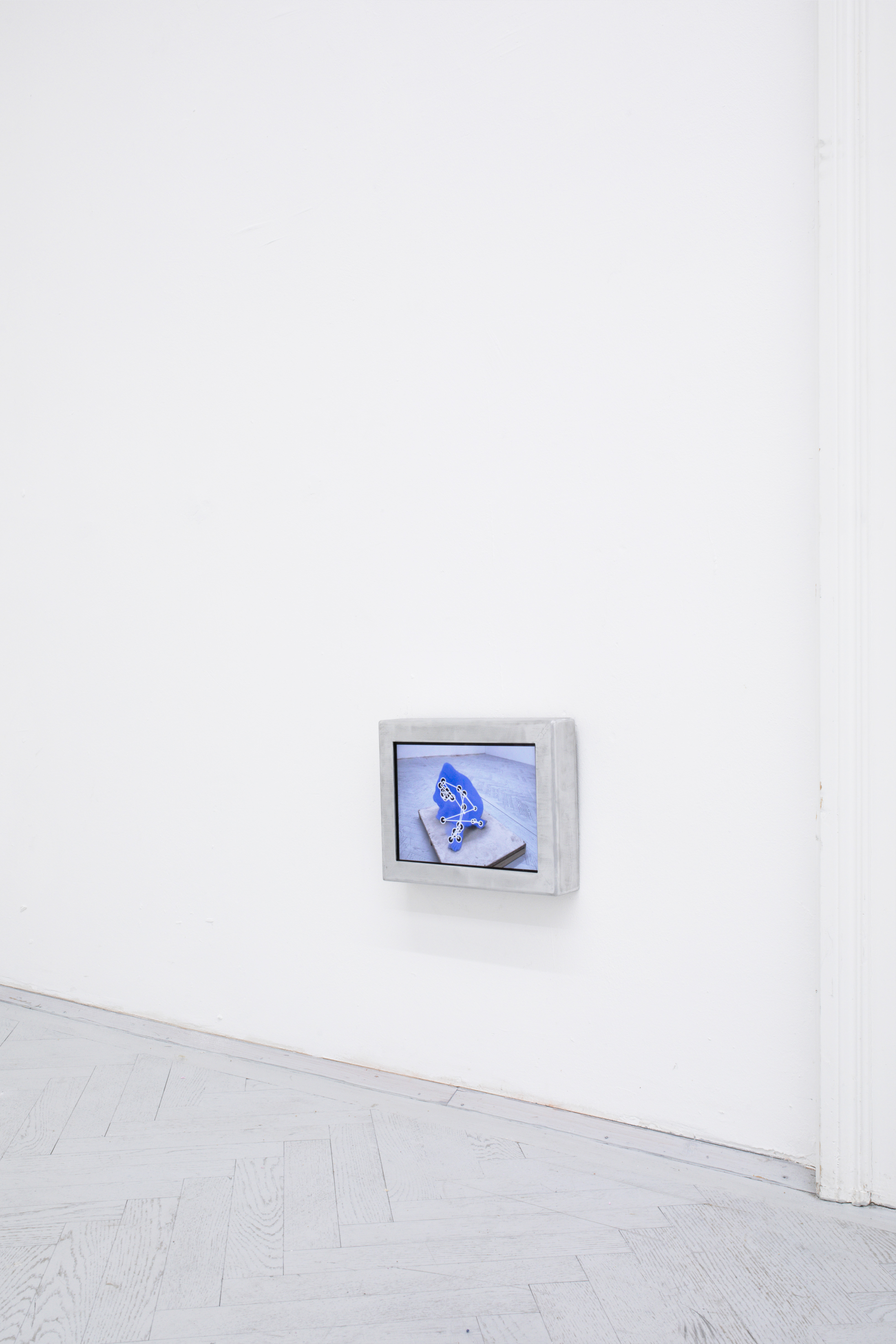
Material Live camera, computer vision pipeline, iPad, aluminium
Size 29 x 11 x 5 cm
Title ‘Crouching (0.44), Covering torso(0.52) Sad(0.23), Nudity likelihood (0.61)
Year 2025
Material Clay, camera, pose estimation pipeline
Size 80 x 65 x 40 cm
Collaborator
Title Collaborator
Year 2025
Material Live camera, computer vision pipeline, iPad, aluminium
Size 29 x 11 x 5 cm
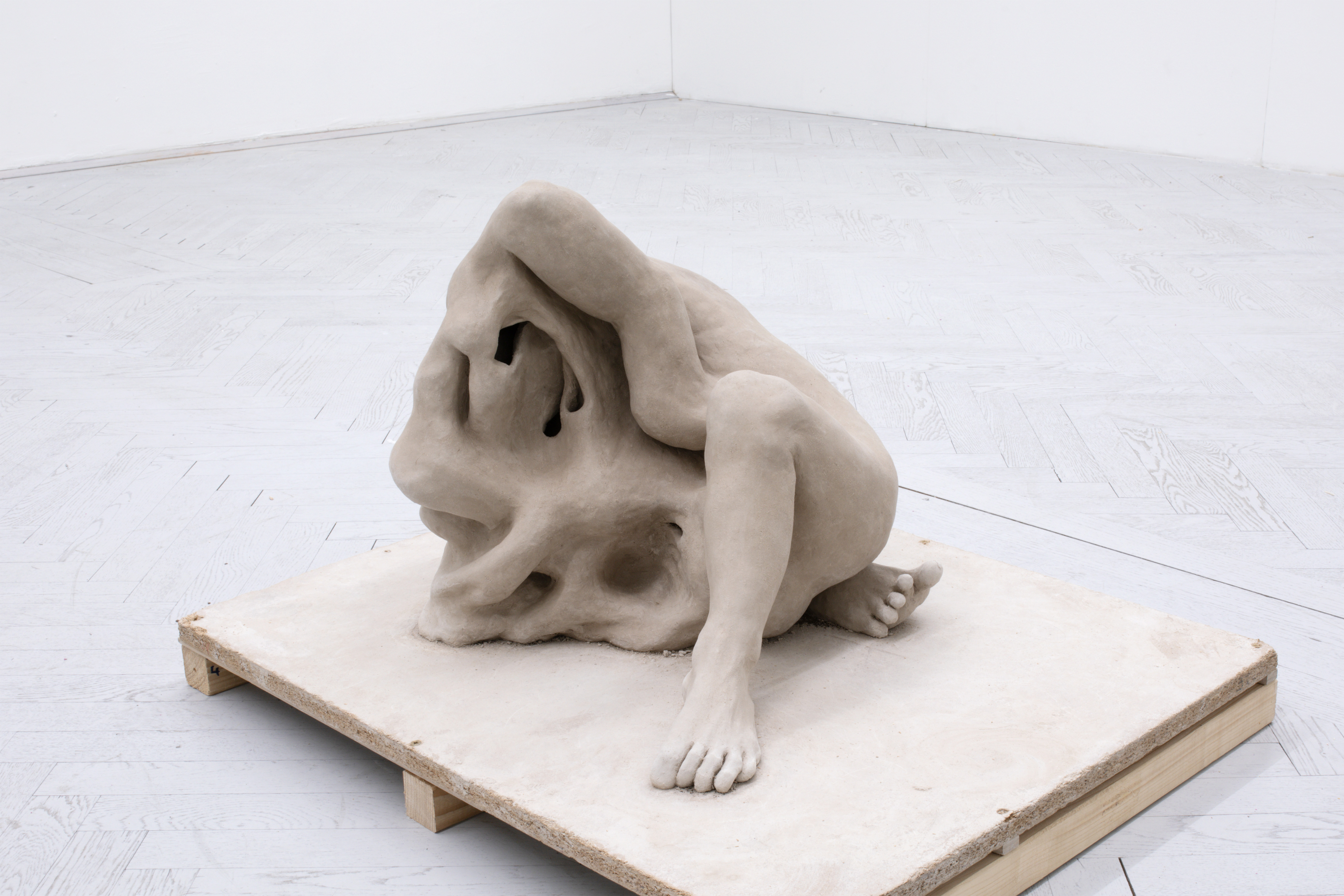
While the artist’s studio is often imagined as a private, self-contained space of creative freedom, Kind’s studio setup functions as an environment of continuous negotiation with historical and contemporary systems of control.
Today, artworks increasingly exist within systems of machine vision. Before reaching a human audience, they are photographed, moderated, indexed, recommended, incorporated into training datasets and analysed by algorithms. Artistic production no longer unfolds solely in relation to human viewers, but also within computational regimes that influence how artworks are circulated, interpreted and valued.
Kind situates these contemporary technologies within a long history of visual regimes. From natural preditor-prey relationships and physiognomy to agorithmic platforms and computer vision. In this context, Kind deliberately hands part of her agency to external guidance; observing, responding and influencing the work as it unfolds. She temporarily submits to their logic, allowing their assumptions, contradictions and failures to become materially visible. Human agency and computational perception continuously negotiate the form an artwork ultimately takes.